Modern buildings are getting bolder. Sharp angles. Faceted surfaces. Geometric shapes that catch light in surprising ways. This is crystalline architecture, and it’s changing city skylines everywhere.
But how do architects bring these complex shapes to life? The answer is often Aluminum Composite Panels, or ACP.
In this guide, you’ll learn what ACP facades are, why they suit crystalline designs so well, and how to plan a successful project. Let’s dive in.
What Are ACP Facades?
ACP stands for Aluminum Composite Panel. It’s a flat panel made of two thin aluminum sheets. A solid core sits between them, usually made of polyethylene or a fire-rated mineral material.
This design makes ACP light, strong, and easy to shape. Builders use it to cover walls, create signage, and clad entire buildings.
ACP facades are the outer skin of a structure. They protect the building. They also give it a striking look.
Why Crystalline Designs Need ACP
Crystalline architecture uses sharp, angular forms. Think of a diamond or a quartz crystal. Buildings in this style often have:
- Multiple flat faces set at different angles
- Sharp edges and points
- A faceted, jewel-like appearance
- Complex, non-repeating geometry
These shapes are hard to build with traditional materials like brick or stone. Glass can work, but it’s heavy and costly to cut into odd angles.
ACP solves this problem. Here’s how.
1. Easy to Cut and Shape
ACP panels can be cut into almost any shape. Factories use CNC machines to create precise angles and curves. This makes them perfect for the sharp facets found in crystalline designs.
2. Lightweight Yet Strong
ACP weighs far less than stone or solid metal. This matters for angular buildings, where panels often stick out at odd angles. Less weight means less stress on the building’s frame.
3. Wide Color and Finish Options
Crystalline buildings often use color and reflection to create a jewel-like effect. ACP comes in metallic, matte, glossy, and mirror finishes. Architects can mix colors across panels to highlight each facet.
4. Consistent, Clean Edges
Sharp geometry needs sharp lines. ACP panels fold cleanly at exact angles. This creates crisp edges between facets, which is key to the crystalline look.
5. Cost-Effective for Complex Shapes
Custom-cut stone or glass panels cost a lot. ACP offers a similar high-end look at a lower price. This makes bold, angular design more affordable.
Key Benefits of ACP Facades
Beyond suiting crystalline shapes, ACP offers other strong benefits:
- Weather resistance: ACP handles rain, wind, and sun without warping.
- Low maintenance: Panels resist stains and rarely need repainting.
- Fire safety: Fire-rated (FR) and A2 core panels meet strict building codes.
- Fast installation: Panels attach to a frame system, which speeds up construction.
- Sustainability: Aluminum is recyclable, and many ACP products use recycled content.
Design Tips for Crystalline ACP Facades
Planning a crystalline ACP facade takes care. Here are some practical tips.
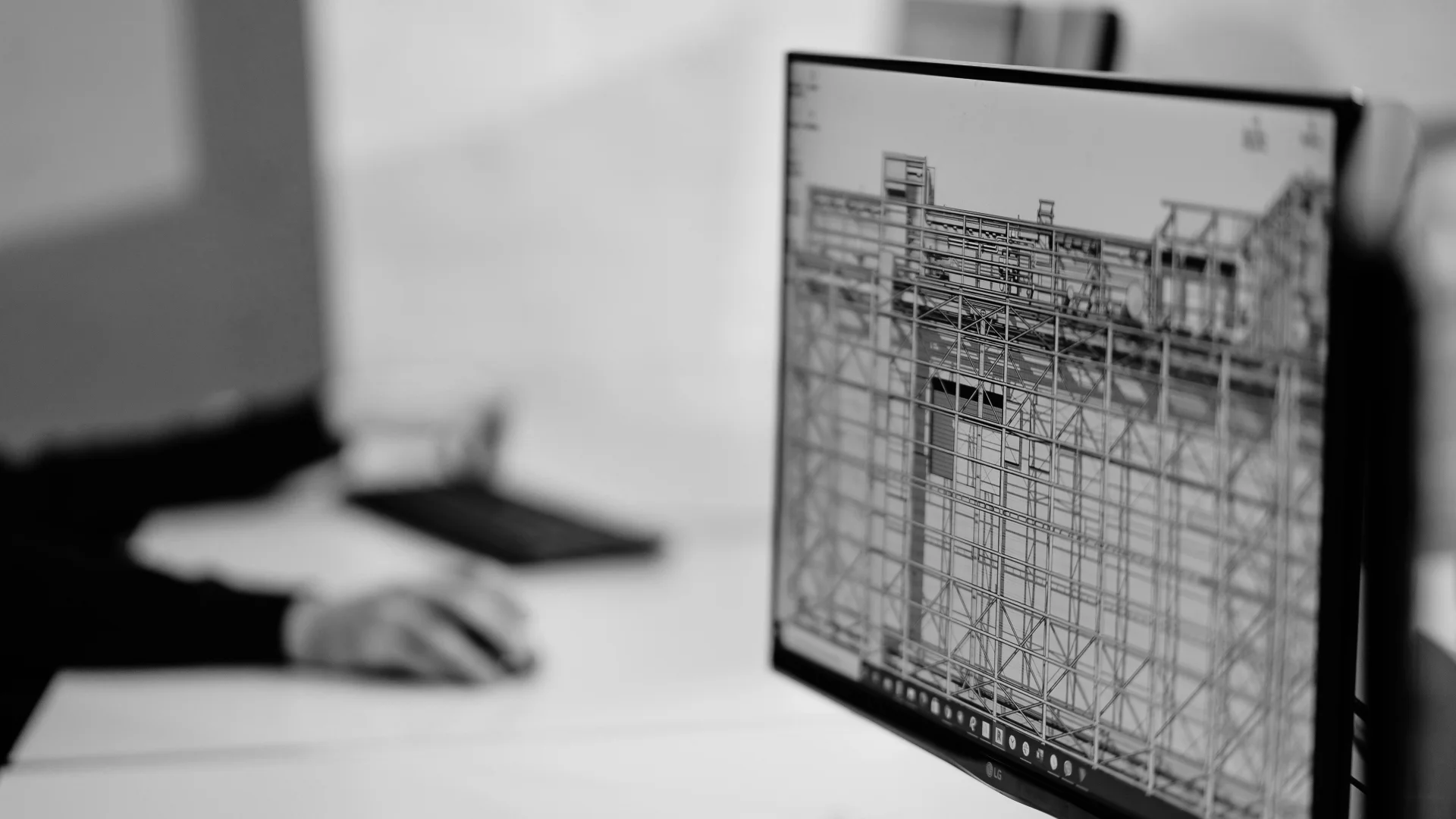
Start With a 3D Model
Complex angles are hard to picture on paper. Use 3D modeling software to test how light hits each facet. This helps you spot design issues early.
Plan Panel Joints Carefully
Every facet needs a joint where panels meet. Poor joint planning can ruin the sharp look you want. Work with your fabricator to map out every seam before production.
Choose the Right Finish
Reflective finishes make crystalline shapes pop, especially in sunlight. But too much reflection can look messy on complex geometry. Test finishes on a small sample area first.
Balance Aesthetics and Wind Load
Angular panels can catch wind differently than flat facades. Have an engineer check wind load calculations for any panels that jut out sharply.
Work With Experienced Fabricators
Not every ACP supplier can handle complex crystalline cuts. Choose a fabricator with a track record in angular, non-standard facade work.
Common Applications
ACP facades for crystalline designs show up in many building types, including:
- Corporate headquarters and office towers
- Museums and cultural centers
- Shopping malls and retail flagships
- Hotels and mixed-use developments
- Public landmarks and pavilions
These projects use crystalline shapes to stand out and create a memorable identity.
Installation Process: A Quick Overview
- Design and modeling: Architects finalize the facade shape using 3D software.
- Panel fabrication: ACP sheets are cut, folded, and finished to match the design.
- Frame installation: A support structure is fixed to the building’s exterior.
- Panel mounting: Panels attach to the frame, following the planned sequence.
- Sealing and finishing: Joints are sealed to keep out water and air.
A skilled team can complete this process efficiently, even for complex shapes.
Choosing the Right ACP Panel
Not all ACP panels are equal. When selecting panels for a crystalline facade, consider:
- Core type: FR (fire-retardant) or A2 (mineral core) for safety compliance.
- Panel thickness: Usually 4mm, offering a good balance of strength and weight.
- Coating: PVDF coatings resist fading better than standard paint.
- Warranty: Look for panels with at least a 10 to 15-year warranty.
Conclusion
Crystalline architecture pushes design boundaries. Sharp angles and faceted surfaces create bold, unforgettable buildings. Aluminum Composite Panels make these designs possible.
ACP is light, flexible, and cost-effective. It cuts cleanly into complex shapes. It comes in many finishes to match any vision. And it stands up to weather and time.
If you’re planning a crystalline facade, ACP deserves a serious look. Work with an experienced team, plan your angles carefully, and you’ll create a building that truly shines.
Want more facade design ideas? Explore our other guides on modern cladding materials and architectural trends.